How do power radiator components work?
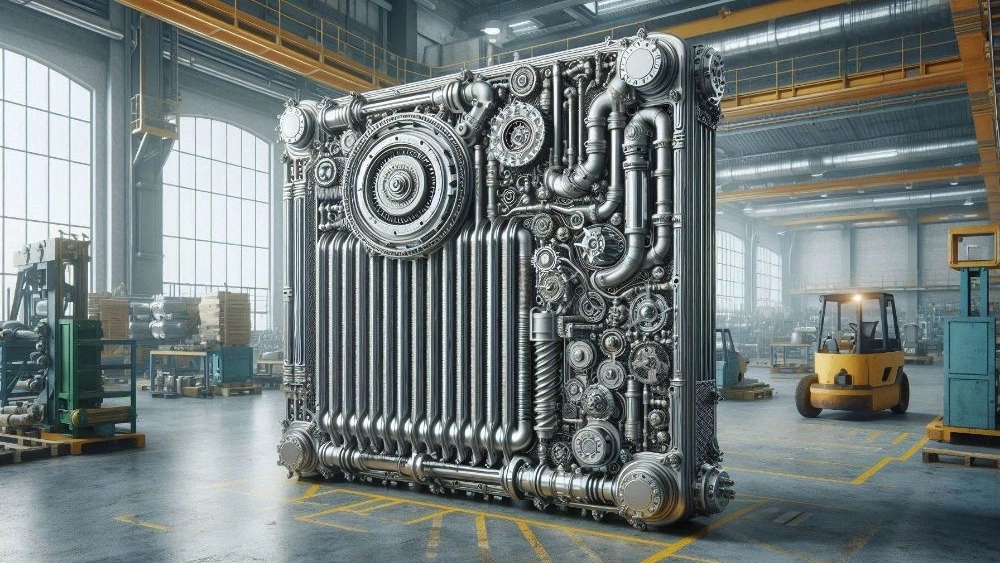
Power plant radiators have copper pipes and aluminum fins with a suction or blower axle butterfly. In this fluid system, the water enters the radiator's finished copper pipes. After that, the fluid cooling temperature of the generator decreases with the outer air on the outer surface of copper tubes and aluminum fins. These fins have blue or gold coatings to prevent sedimentation and corrosion.
use a coil to help the water and oil cooling process. In the construction of this piece of copper pipes with a high purity percentage is used. Because copper metal properties increase the speed of heat exchange. This fluid is removed from the radiator by the output collector. Simply put, these radiators reduce the fluid temperature within the copper pipes with cool air cycle and the heat exchange of the pipe shell.
What is the power of power plant radiator?
This type of radiator has no evaporation of water according to the closed process cycle. As a result, power plant radiators do not need to install water supply equipment. The most important advantage of these radiators is the need for water. Due to the lack of water resources, this device is widely used in hot and dry areas. This system reduces the cost of water consumption of power plants. This radiator can also be used to cool the motor jacket water or after the After Effects.
Power Power Radiator Applications
1- Cooling turbines: gas and heaters in power plants require powerful cooling systems because of the high heat production. Radiators take this heat from the turbines and transfer it to the environment.
2- Cooling generators: generators in power plants also produce high heat when generating power, which must be prevented in order to prevent power. Cool damage to equipment and efficiency improvement.
3- Oil cooling systems: In some power plant equipment, the oil is used as a cooling and lubricant liquid . Radiators are also used to cool this oil to control the temperature of the equipment.
What are the benefits of using power plant radiator?
- کارایی در دفع حرارت: رادیاتورهای نیروگاهی، به دلیل طراحی خاص خود، قادرند حرارت را با کارایی بالا دفع کنند و از افزایش دما در تجهیزات جلوگیری کنند.
- انعطاف پذیری در کاربرد: وجود انواع مختلف رادیاتورها، امکان انتخاب رادیاتور مناسب براساس نیازهای خاص هر نیروگاه را فراهم میکند.
- کاهش هزینههای نگهداری و تعمیر: استفاده از رادیاتورهای موثر و با دوام میتواند هزینههای نگهداری و تعمیرات را کاهش دهد، زیرا کاهش دما به معنای کاهش استرس بر روی تجهیزات است.
- عمر طولانی: با استفاده از رادیاتورهای با کیفیت، میتوان عمر مفید تجهیزات را افزایش داد و نیاز به تعویض زود هنگام رادیاتورها را کاهش داد.
- حفاظت از محیط زیست: با کنترل دمای تجهیزات، احتمال وقوع حوادث و آسیب به محیط زیست کاهش مییابد.
What are the components of a power plant radiator?
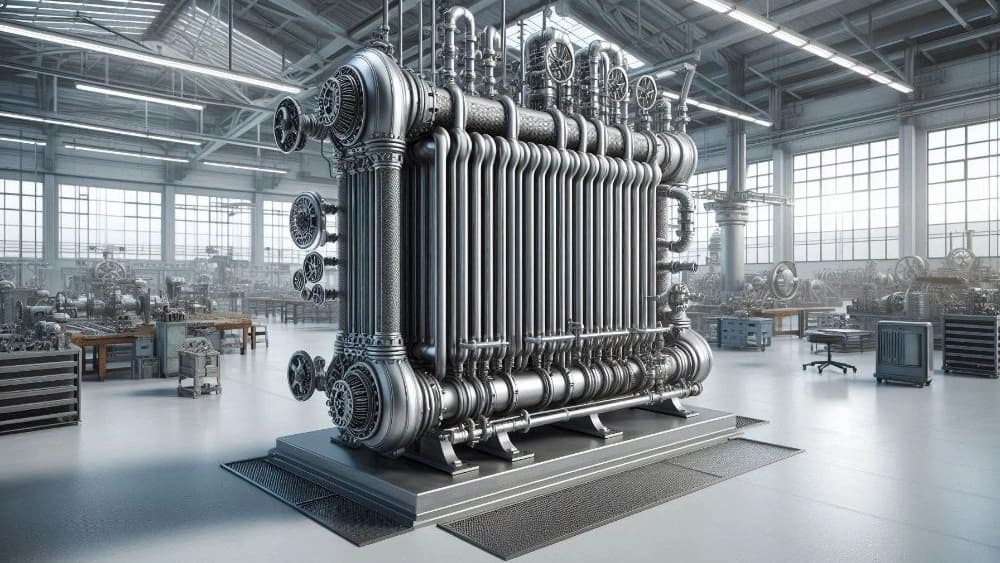
1_ Tubes and grooves (Tubes and Fins): The pipes are inside the radiator for the passage of cooling liquid (such as water, air or oil). These tubes are usually made of substances such as aluminum or steel. Also, the fins are located on the outer surfaces of the radiator that help increase the level of contact with air or other liquids and improve heat transfer.
2- Cover and Casing (Casing and Casing Cover: Radiator coating acts as its outer coating and is made from materials such as steel or aluminum. The body of the radiator is also designed to protect pipes and other internal components.
4- Inlet and Outlet (Inlet and Outlet): These components are used to enter and exit the cooling liquid from and to the radiator. The inlet enters the fluid into the radiator to absorb heat, while removing the liquid output from the radiator. Temperature Control Devices: Some radiators may have devices to control cooling liquid temperature, such as valves or temperature sensors that are used to maintain proper temperature and control operating conditions. >
5- Supporting Systems: This includes retaining systems such as support, bases and connections that keep the radiator in the right position and balance the balance. And its strengths make sure.