Choosing the right cooling system is one of the most critical challenges faced by transport fleet owners and drivers in big cities like Tehran. Due to the special weather conditions, heavy traffic and traffic on the surrounding mountain roads, the capital of Iran needs equipment that is durable and highly efficient. In the meantime, the right radiator for the heavy and light transport fleet in Tehran plays a key role in the proper operation of the engine and preventing costly breakdowns. A wrong choice can lead to increased engine temperature, reduced fuel efficiency, and even complete engine wear. In this article, we will carefully examine the factors necessary to choose the best cooling system according to Tehran's special conditions.
The importance of choosing the right radiator for the heavy and light transport fleet in Tehran
Tehran is a city with a special climate; Very hot summers and cold winters, along with air pollution and long traffic jams. These conditions cause car engines to be under a lot of thermal stress, especially during peak traffic hours. Therefore, choosing the right radiator for the heavy and light transport fleet in Tehran is not only a luxury choice, but a technical necessity to maintain the health of the car.
When the car stops in Tehran traffic, the air flow created by the car movement is cut off and the cooling fan has to take care of the heat removal alone. If the radiator does not have enough heat capacity, the temperature of the coolant will increase quickly. This issue becomes doubly important in heavy vehicles such as trucks and buses that carry a lot of cargo. Using the right radiator for the heavy and light transport fleet in Tehran guarantees that even in the most difficult conditions, the engine works at an optimal temperature and prevents boiling.
Technical differences between heavy and light radiators in urban conditions
To better understand the capital's fleet needs, we should examine the differences between light (passenger) and heavy (cargo and passenger) car radiators. Light cars in Tehran usually travel on urban roads and their engines are relatively smaller. On the other hand, heavy vehicles have powerful diesel engines and high heat production. Therefore, the standards of suitable radiator for heavy and light transport fleet in Tehran are different for each one.
In heavy vehicles, the radiator must have a much larger heat exchange surface, thicker tubes and more resistant fins (fins) to dissipate the heat from diesel combustion. Also, vibrations caused by inner city roads and bumpy highways of Tehran require a strong structure. While in light cars, the speed of reaction to temperature changes and compact design are more important. Knowing these differences is the first step in choosing the right radiator for the heavy and light transport fleet in Tehran.
Key factors in choosing the right radiator for heavy and light transport fleet in Tehran
When buying or replacing a radiator, it is necessary to pay attention to several technical parameters. These parameters determine whether a piece can last in Tehran's weather and traffic conditions or not. In the following, we will discuss the most important factors.
1. Material: copper or aluminum?
One of the most important decisions in choosing the right radiator for the heavy and light transport fleet in Tehran is choosing the material of the radiator body and core. Copper radiators have been popular for years due to their high thermal conductivity and durability, especially for heavy and older vehicles. Copper is easily repaired and is resistant to high pressures. However, aluminum radiators have become more common in modern light vehicles due to their lighter weight and more affordable price.
For heavy fleets in Tehran that often require quick and simple repairs, copper-brass radiators are still reliable options. But for new passenger cars, aluminum radiators with plastic work better. The choice between the two should be made based on the type of car and maintenance budget. Specialized centers like hamrahradiator.ir can provide the necessary guidance in choosing the right material based on your car type.
2. Cooling capacity and design of fins
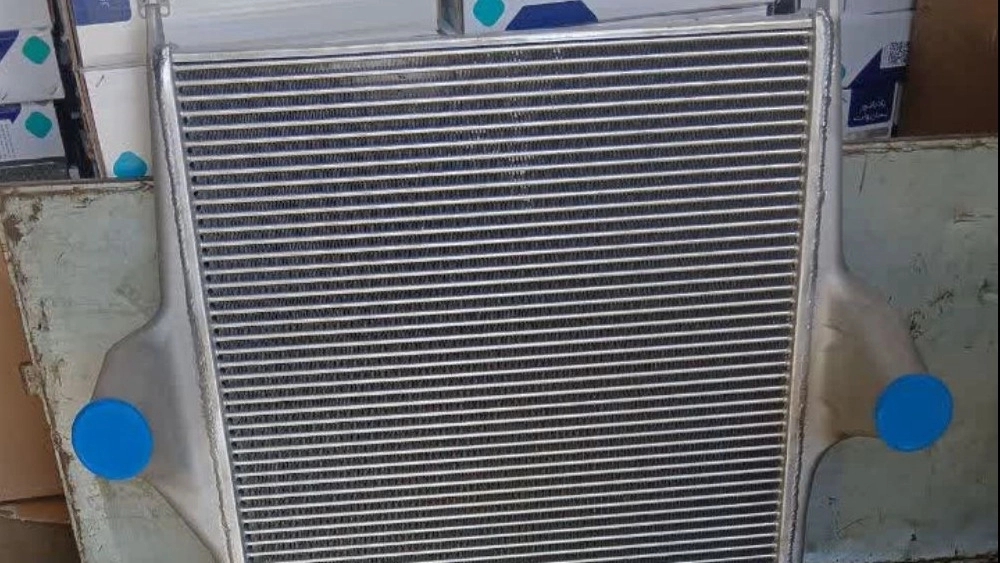
The technical design of the radiator directly affects its ability to cool the engine. In choosing the right radiator for the heavy and light transport fleet in Tehran, you should pay special attention to the number of fins per inch and the design of the cooling pipes. The higher the number of fins, the greater the contact surface with the air and the better the cooling performance.
However, in the polluted air of Tehran, which is full of dust, very small fins may get dirty quickly and block the air path. Therefore, there must be a balance between the density of fins and the possibility of cleaning them. Radiators with "Low-Fin" design or fins with a standard distance are more suitable for the urban conditions of Tehran because they are less exposed to clogging caused by airborne particles. This is a subtle point that should be considered in choosing the right radiator for the heavy and light transport fleet in Tehran.
3. Resistance to corrosion and water sedimentation
Water quality is different in different areas of Tehran and in some areas it has high hardness. Hard water can cause deposits in the radiator ducts and reduce the coolant flow. Therefore, a suitable radiator for the heavy and light transport fleet in Tehran should have internal coatings resistant to corrosion and sediment.
Using high-quality coolant (antifreeze) and observing its replacement schedule, along with choosing a quality radiator, increases the life of the system. Poor quality radiators may rot and leak internally after some time due to deposits. To avoid these problems, it is recommended to use high-quality products that have the necessary standards to deal with Tehran's weather conditions.
Tehran's climate challenges and its effect on radiator performance
Performance on hot summer days
On the hottest days of the year, the cooling system must work at its maximum capacity. If your car's radiator is not able to remove excess heat, the engine will "boil". This situation is very dangerous in heavy traffic on highways such as Hemet or Sadr where long stops are common. A suitable radiator for the heavy and light transport fleet in Tehran must have an optimal design that can quickly dissipate heat with the help of a fan, even in still and hot weather.
Furthermore, the use of coolers in light vehicles and air conditioning systems in buses increases the thermal load of the engine. The radiator must be able to handle this extra load. Experts believe that for the conditions of Tehran, it is better to choose a radiator whose capacity is slightly higher than the standard factory capacity so that there is a necessary safety margin.
Performance on cold winter days
You might imagine that there is no problem with engine heating in winter, but the extreme cold of Tehran winters also has its own challenges. In cold weather, the coolant must quickly reach the optimum temperature so that the engine does not "cold run" and wear increases. Also, contraction and expansion caused by temperature changes can cause poor quality radiators to crack.
A suitable radiator for the heavy and light transport fleet in Tehran should be made of a material that has the necessary flexibility against temperature changes and is resistant to cracking due to freezing. It is very important to use antifreeze with the right degree of freezing for Tehran's weather in this season.
How to maintain and increase the life of the radiator in urban conditions
Even if you have chosen the best and highest quality radiator suitable for heavy and light transport fleet in Tehran, without proper maintenance, its useful life will decrease. Maintaining the radiator in big cities like Tehran, where there is a lot of air and dust pollution, is of double importance.
Regular washing of the radiator
Dust and insects collect between the radiator fins and block the air flow. This issue is especially true for cars that travel on the highways of Tehran. Periodic washing of the radiator with low pressure water (without using a strong water jet that may damage the fins) is necessary to maintain the performance of the radiator suitable for the heavy and light transport fleet in Tehran. This work should be done professionally so as not to damage the body of the radiator.
Checking the leakage and condition of the hoses
Coolant leakage is one of the most common problems in cooling systems. Periodic inspection of hoses, fittings and expansion tank to ensure there are no leaks is part of maintenance. Also, a change in the color of the coolant or the presence of oil in it is a sign of internal engine problems that should be checked immediately. Going to reputable maintenance centers can help in early detection of these problems. The site hamrahradiator.ir provides specialized services in the field of renovating and repairing radiators, which can be effective in increasing the life of your system.
Differences in radiator selection for heavy and light vehicles
As mentioned earlier, the needs of heavy and light vehicles are different. In this section, we will discuss the important points for each of them in order to make it easier to choose the right radiator for the heavy and light transport fleet in Tehran.
Special tips for heavy vehicles (trucks, buses, vans)
Heavy vehicles in Tehran often travel long distances or carry heavy loads on the slopes of the city. This means the engine is always under load. The radiator of these cars must have a larger tank and pipes with a larger diameter so that it can circulate a larger volume of liquid. Also, in choosing the right radiator for the heavy and light transport fleet in Tehran, special attention should be paid to the mechanical resistance against high vibrations.
City buses that stop and move frequently need radiators with a more powerful fan system. Smart cooling systems are used in many new buses in Tehran, and the radiator must be compatible with these systems. The use of heavy-duty "High Performance" radiators is recommended for this fleet.
Special tips for light vehicles (riding, internet taxis)
Light vehicles, especially taxis and service vehicles that have a lot of traffic in Tehran, need a radiator that heats up quickly and does not get hot in traffic. In these cars, the engine space is limited and the right radiator for heavy and light transport fleet in Tehran for light cars should be compact and accurate in accordance with the car engine space.
For passenger cars, aluminum radiators are often a better choice because their lighter weight helps reduce fuel consumption. However, in older cars that are still active in Tehran's taxi fleet, copper radiators still retain their popularity due to the ease of repair in city-level repair shops.
Buying and supplying quality radiators in Tehran
After familiarizing with the technical factors, it is time to buy. Tehran's spare parts market is large and diverse, but finding original and quality products is challenging. To ensure the purchase of the right radiator for heavy and light transport fleet in Tehran, you must buy from reliable sellers and manufacturers who have guarantees and quality standards.
Purchasing a cheap and low-quality radiator will greatly increase the cost of replacing and repairing the engine in the long run. Always look for a product that matches the technical specifications of your car (model, year, engine size). Many domestic manufacturers, using modern technologies, produce very high quality products that are even better than foreign samples and are more compatible with Iran's weather conditions.
To see examples of high-quality radiators and get expert advice on choosing the right product for your car, you can visit the website hamrahradiator.ir . With years of experience in the field of production and supply of cooling system parts, this collection can consider the best option for your fleet.
conclusion
Choosing the right cooling system has a direct impact on the life of the car, maintenance costs and driver comfort. In a dynamic and high-traffic city like Tehran, cars are under pressure more than ever. Therefore, choosing the right radiator for the heavy and light transport fleet in Tehran is a smart investment to maintain the health of the engine and avoid sudden stops in the middle of the road.
Considering factors such as material, cooling capacity, weather conditions and vehicle type (heavy or light), you can make the best decision. Do not forget that periodic maintenance and the use of standard cooling fluids, along with the quality of the radiator, guarantee the durability of the system. With the right choice and continuous care, you can rest assured about the performance of your car's cooling system in the most difficult traffic and weather conditions of Tehran.