What is a radiator and what role does it play in a car?
The difference in the dimensions and capacity of the radiator
Difference in gender and construction material
This difference in material makes the radiators of heavy machinery have a longer life, but at the same time they have more weight and cost.
The difference in the number of rows and tubes
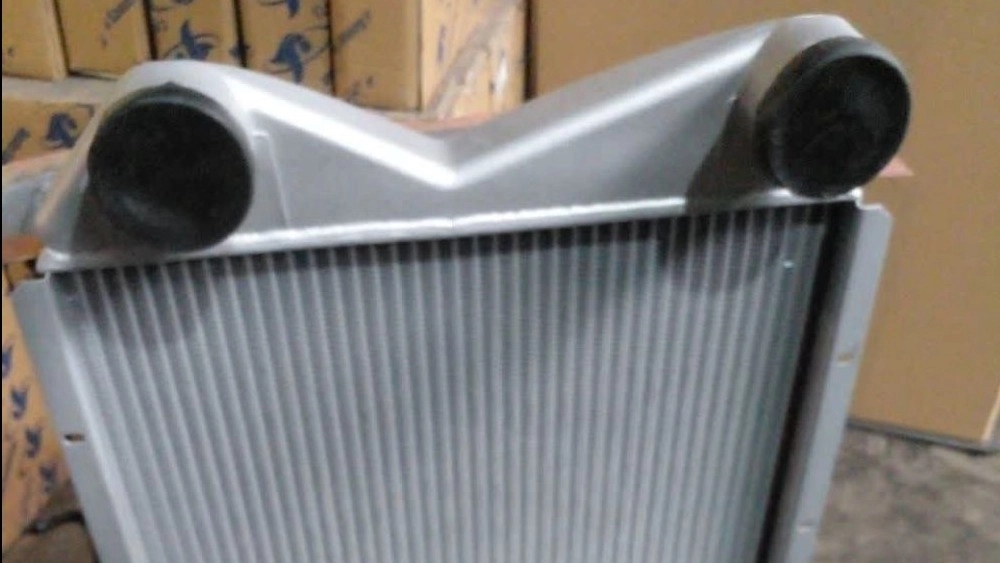
The number of rows of tubes and fins in the radiator has a direct effect on the cooling power. Passenger car radiators usually have one or two rows of tubes, while heavy duty machine radiators may have three or more rows of tubes.
In the special conditions of Tehran, such as heavy traffic or long stops, this design difference makes the heavy machinery radiator perform more stable and reliable.
The difference in the working pressure of the cooling system
The cooling system of heavy vehicles works under higher pressure than passenger cars. This issue has made the heavy duty machinery radiator to be designed more resistant in terms of welds, connections and overall structure. On the other hand, passenger car radiators bear less pressure and their design is simpler.
Differences in user type and working conditions
Passenger cars are usually used to transport people in short and medium distances. But heavy machinery operates under full load for long hours. This difference in use has made the radiator of heavy duty machinery to be designed for continuous and long-term operation, while the radiator of passenger cars is more suitable for daily and intermittent use.
In Tehran, the simultaneous activity of passenger and heavy vehicles on busy roads doubles the importance of choosing the right radiator.
Differences in auxiliary cooling systems
In many heavy duty machines, in addition to the main radiator, auxiliary systems such as intercooler, oil cooler and more powerful industrial fans are used. Meanwhile, passenger cars usually rely on only one radiator and one or two electric fans.
This technical difference makes the maintenance and repair of the radiator of heavy machinery more complicated and specialized.
Difference in maintenance cost
The cost of maintenance and repair of passenger car radiators is much lower than that of heavy trucks. Heavy radiators have a higher cost to repair or replace due to their larger dimensions, special material and more complex structure. In Tehran, access to specialized radiator repair centers plays an important role in reducing these costs.
The effect of Tehran weather conditions on the performance of radiators
Air pollution, dust and heavy traffic are factors affecting the performance of radiators in Tehran. These conditions cause the radiator fins to get dirty faster and reduce the cooling efficiency. Due to its industrial design, heavy machine radiators are more tolerant of these conditions, but they still require periodic service.
The difference in weight and its effect on the car
Radiator weight is very important in passenger cars, because increasing the weight can increase fuel consumption. For this reason, riding radiators are designed to be lighter. On the other hand, the weight of the radiator is less important in heavy machinery and the main focus is on durability and cooling power.
Differences in airflow design
The design of the air flow path in the passenger car radiator is usually simpler. But in heavy duty machinery, the design is done in such a way that heat exchange is done well even at low speeds or long stops. This design difference is very noticeable in Tehran's heavy traffic.
The importance of choosing the right radiator for each type of car
Choosing the wrong radiator can increase the temperature of the engine, reduce the life of parts and increase repair costs. Knowing the technical differences between passenger car radiators and heavy duty machinery helps drivers and car owners to make an informed choice that suits their working conditions.
The role of specialized radiator centers in Tehran
In a city like Tehran, the presence of specialized centers for checking, repairing and replacing radiators is very important. These centers can provide services tailored to each type of vehicle by knowing the technical differences of passenger and heavy vehicle radiators. To learn more about the services related to car radiators, you can visit the site
https://hamrahradiator.ir
.
summary
Technical differences between passenger car radiators and heavy duty machinery are not only limited to dimensions and size, but also include construction material, cooling capacity, working pressure and design type. In Tehran, according to the special traffic and weather conditions, knowing these differences plays an important role in maintaining engine health and reducing maintenance costs. Choosing the right radiator according to the type of car is an effective step in increasing the lifespan and optimal performance of the vehicle.